Echoes of Innocence: The Words That Grow into Our Stories
Updated: 2 hours ago
Childhood is the one place where everything feels simple—
until I grew up and realized it wasn’t simple at all.
The innocence I carried wasn’t just in my small hands or wide eyes; it lived in the words spoken around me.
Words I didn’t choose.
Words I didn’t understand.
Words that quietly rooted themselves in the soil of who I was becoming.
And in my experience?
Those words didn’t stay in childhood.
They followed me.
They grew up with me.
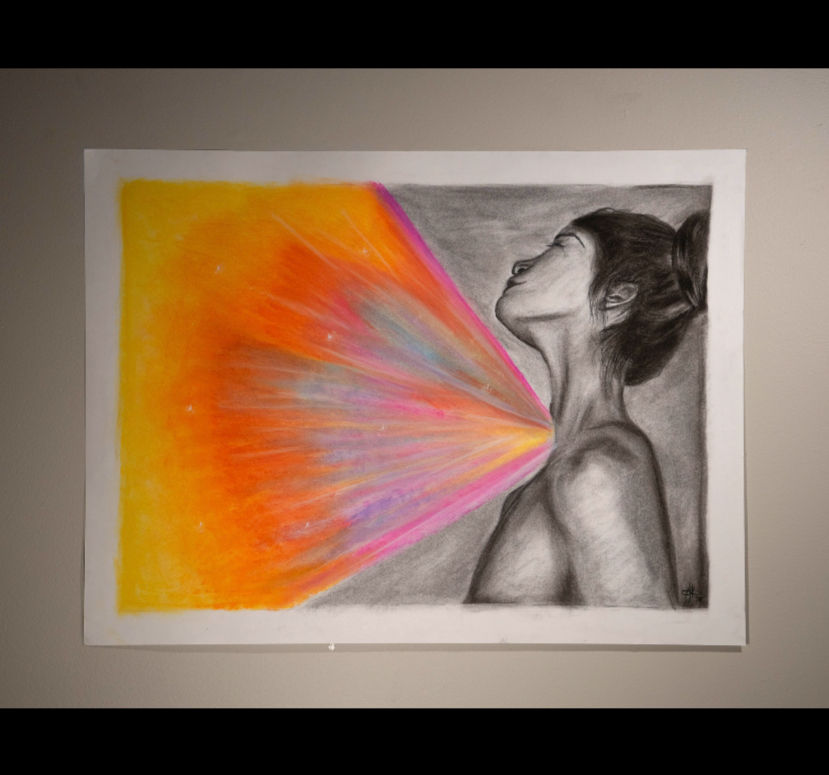
They shaped the stories I told myself long after I'd forgotten where the story even started.

The First Narratives I Ever Heard
Before I knew what “identity” meant, I was already building one out of the language handed to me.
You’re so sensitive.
You can’t sing.
You’re too much.
You’re not enough.
You’re not funny.
You’re too loud.
I absorbed these labels like gospel.
Kids don’t question the narrator, they trust them.
And those early narrators, whether loving or flawed, wrote the first chapters of my internal dialogue.
Some of those words became comfort.
Some became armor.
Some became wounds I still haven’t named.
Innocence Isn’t Ignorance—It’s Trust
I didn’t know the weight of words, but I felt them.
I felt tone.
I felt silence.
I felt the difference between being seen and being managed.
Innocence was trusting that every word was true.
So, when I heard:
You’re smart, I tried to live up to it.
You’re trouble, I tried not to disappoint.
You’re dramatic, I learned to shrink.
You’re strong, I learned not to cry.
You’re too loud, I learned to remain silent.
I grew into an adult who thought I was making choices, but often I was just following scripts written decades ago.
The Stories I Carry into Adulthood
By the time I was grown, those childhood words had turned into beliefs:
I’m hard to love.
I must fix everything.
I shouldn’t need help.
I’m only valuable when I’m useful.
I’m too emotional.
I’m not allowed to fail.
These beliefs shape my relationships, my career, my boundaries, my self-worth.
They shape how I show up, how I hide, how I apologize for existing, how I fight to be heard.
I think I’m reacting to the present, but I’m often reacting to echoes of long ago.
Rewriting the Script
The beauty-and the heartbreak-is that my innocence doesn’t disappear. It was just buried under years of adulting, expectations, and survival.
But it’s still there.
And when I finally stop long enough to listen to my own thoughts, I can hear the old words. I can trace them back. I can decide which ones stay and which ones get rewritten.
Because the truth is: I’m not responsible for the words I was given as a child.
But I am responsible for the ones I choose now.
The Power of New Language (and a great therapist)
Healing isn’t always loud. Sometimes it’s as simple as changing the words:
I’m allowed to rest.
I’m allowed to be loved without earning it.
I’m allowed to feel everything.
I’m allowed to be imperfect.
I’m allowed to rewrite the story.
Childhood innocence isn’t something I lost, it’s something I’m learning to protect.
And the words I choose today can become the new stories I carry into tomorrow.

I read this twice. The second time I started thinking about what words my own children will carry into adulthood. I need this reminder today, thank you!